
SEASONAL TREE ADVICE
Caring for Your Trees Through Every Season
Seasonal changes affect the health, growth, and safety of your trees. ArborClimb provides thoughtful guidance to help homeowners protect and strengthen their landscapes year-round.
-
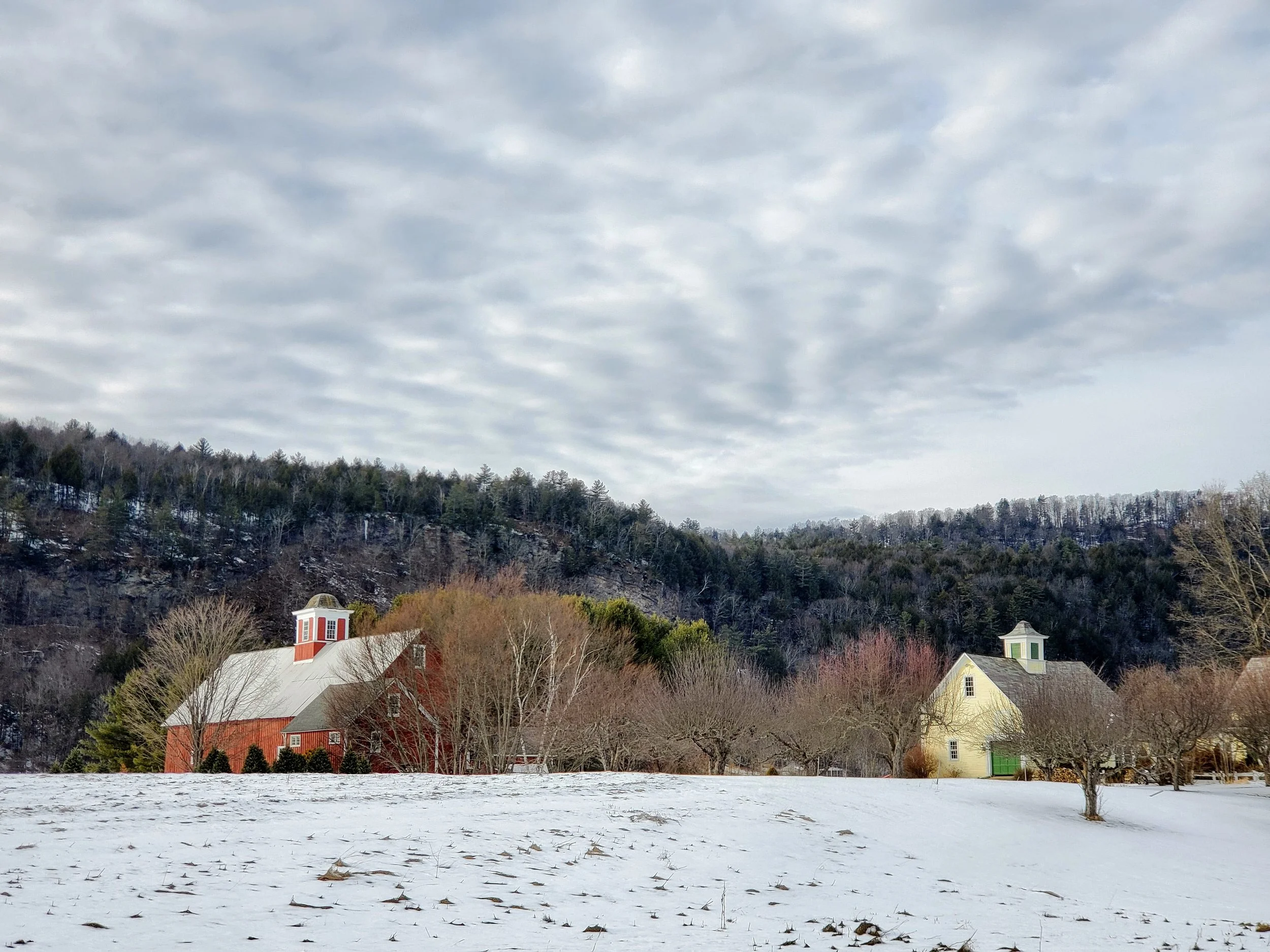
Winter
Clearly mark your trees along your driveway to avoid accidental damage from a snow plow or snow blower. Do this before it snows to ensure you are marking-out the entire root flare. Using salt is unavoidable in some areas, however, salts can create saline/sodic soil conditions which are not good for trees and plants in the New England region. Sand, sawdust, and wood ash, along with many other natural alternatives, can be used to avoid creating unfavorable soil conditions for your trees.
Look up for deadwood. Winter is a great time to spot dead and decaying limbs and branches due to the absence of leaves. Look for bleached wood, peeling bark, mushrooms, or breaks that are indicators of dead debris. These can be extremely hazardous depending on where the tree is situated on your property and should be professionally removed.
-
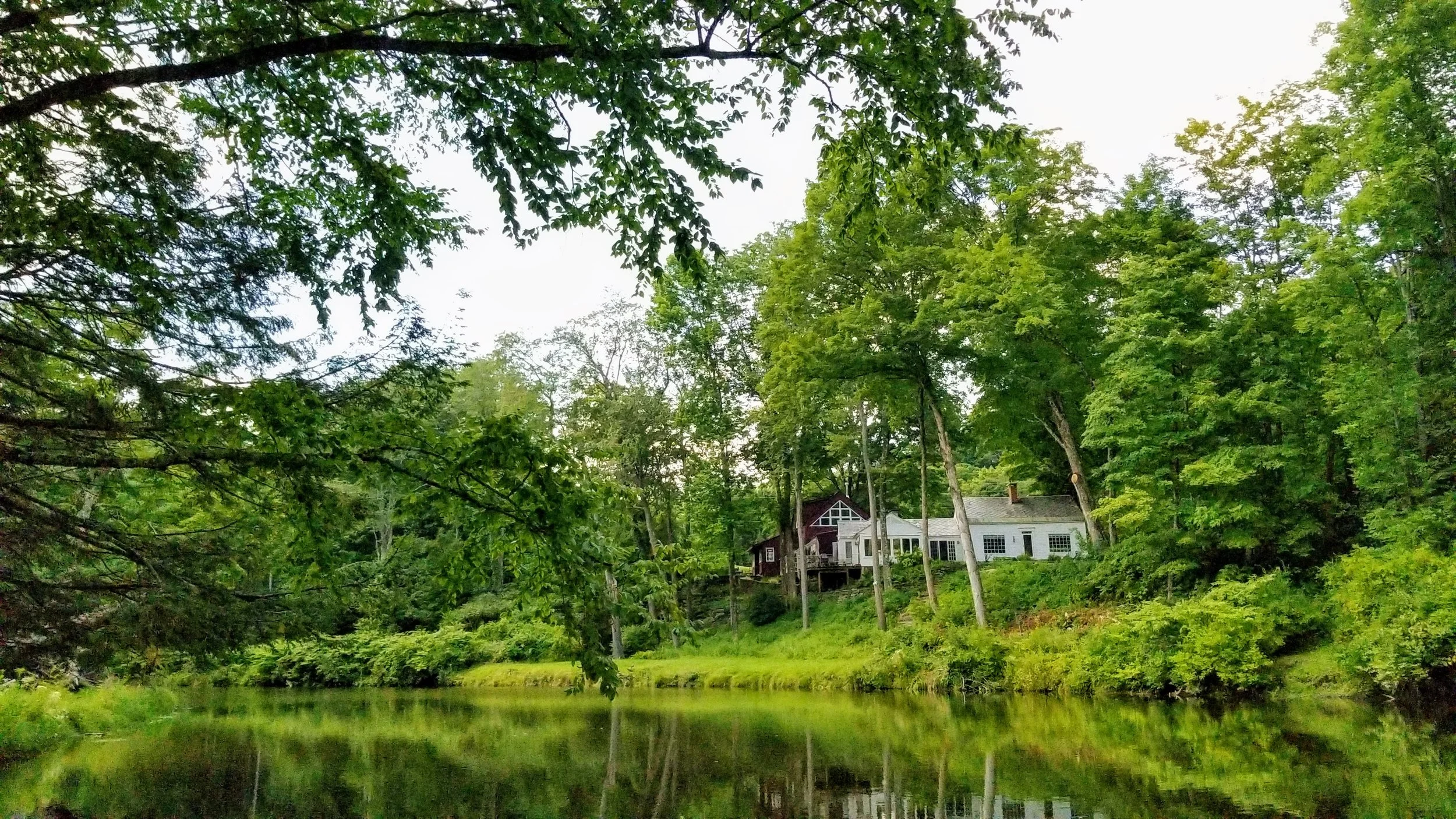
Spring
Freshen up mulch rings or add mulch around your trees to encourage water retention and nutrient cycling. Avoid the “mulch volcano” by not building up more than 4” of mulch and keep it away from the trunk and root flare. If you want the aesthetic of new mulch and already have 4”, rake the old mulch off before adding new.
Observe the buds, leaves, and flowers emerging from your trees. These are all excellent indicators of tree health and will present differently if they are experiencing any issues with pests or pathogens. If the leaves look small, discolored, wilted, or don’t emerge at all, give us a call. Flowers, especially on fruit trees, can be indicators of fungal problems if they appear withered or moldy.
-
Summer
Supplemental watering is critical this time of year, especially if there are drought conditions in the region. Proper mulching and the addition of a soaker hose around your trees’ root systems (ideally placed closest to the drip line) can help trees through times of drought. Set a timer on your spigot to water early in the morning, evening, or even overnight to reduce evaporation during hot daytime temperatures. It is important to not overwater, especially depending on tree species. Deep, infrequent watering is more beneficial than shallow, frequent watering.
Summer is also a good time to think about storm resilience pruning, especially on vulnerable soft-wooded trees like pine, willow, and poplar. Observe the trees on your property on a windy day. Trees that are growing on rises, exposed to open areas like fields or bodies of water, or stand-alone specimens will likely be swaying with the wind more than others.
-
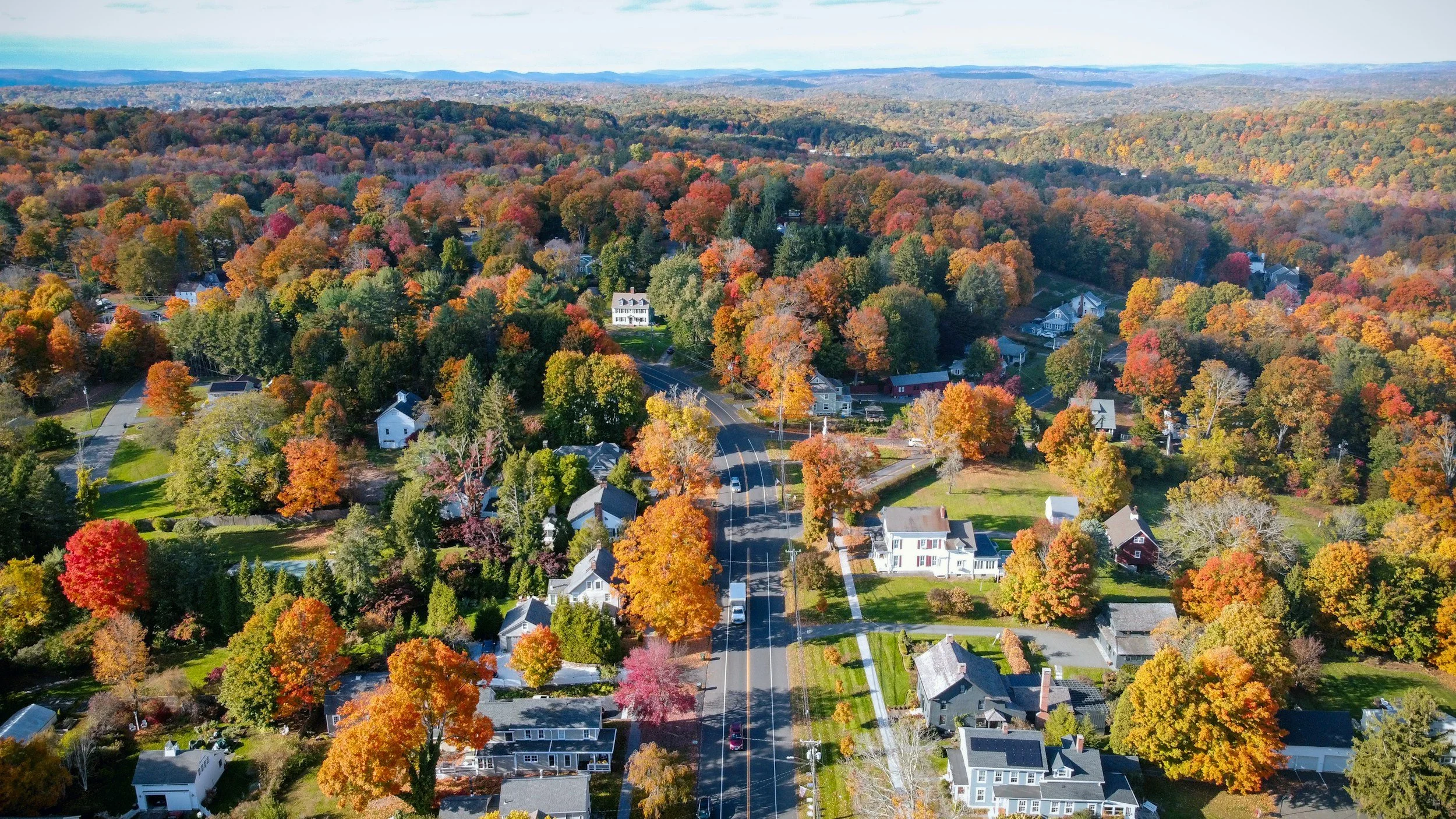
Fall
Hopefully you are reaping the benefits of your tree-deligence throughout the past year with beautiful fall colors or a bountiful harvest from your fruit trees. Now is a good time to think about planting any new trees, cleaning up leaves/debris that may harbor fungal pathogens, and continuing watering before trees go dormant for the winter.